The Great Ojai Paradox
The Issue
Ojai’s Mediterranean climate brings highly variable rainfall, with 67% of years since 1906 receiving below-average precipitation, reinforcing our drought-prone reputation and triggering frequent conservation alerts. Yet every acre in the valley receives roughly 550,000 gallons of rain annually on average, much of it concentrated in intense winter storms that lead to rapid runoff instead of storage.
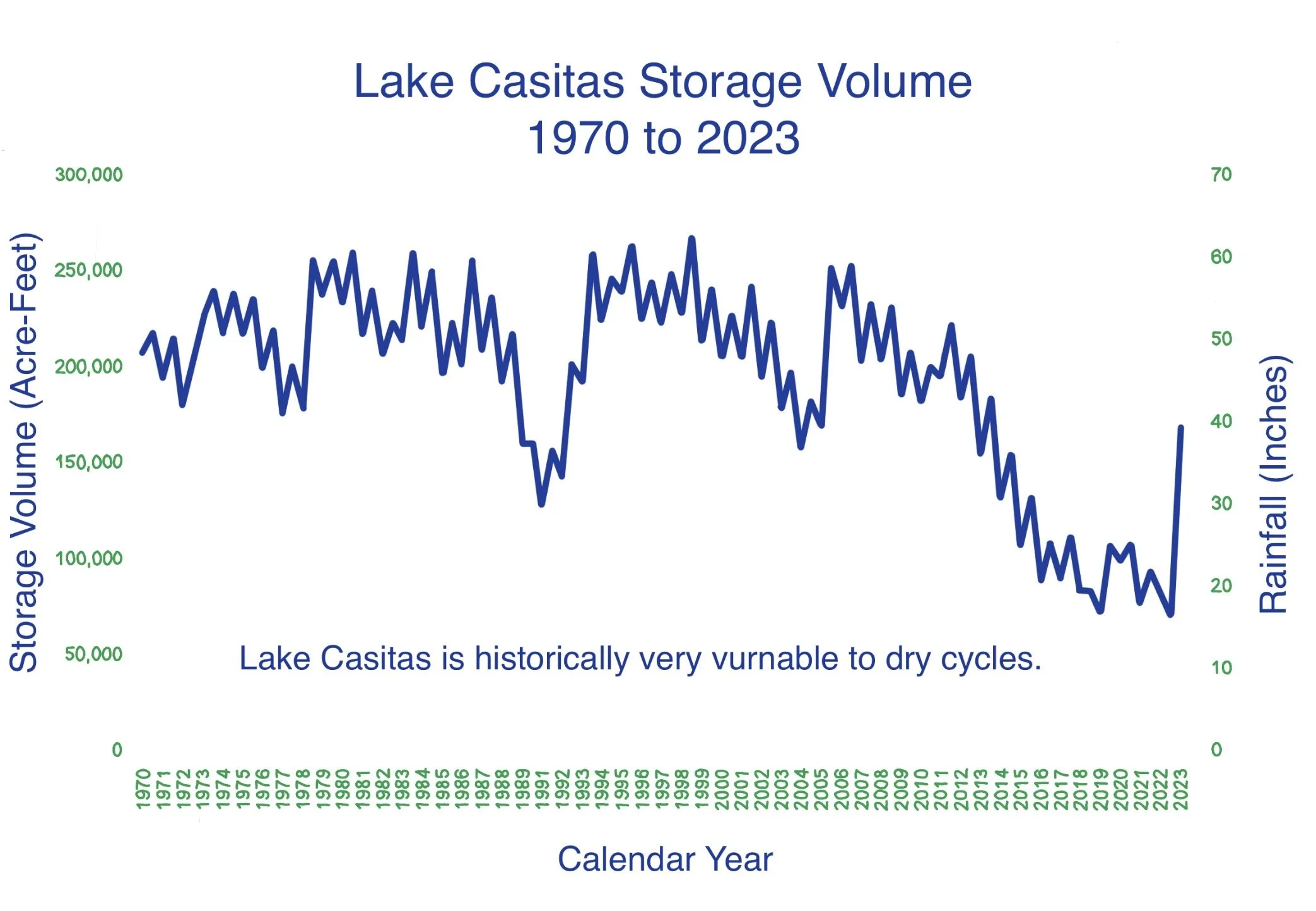
In September 2022, Lake Casitas (the key local reservoir) fell to just 31% of its revised capacity, a record low around 73,000 acre-feet. While the heavy rains of 2023 provided a temporary relief, officials remind us that California’s "boom-and-bust" weather cycle means drought will always return. The core problem is not a permanent lack of rain; it’s how little we keep, making community rainwater harvesting a practical path to resilience.
Water Waste
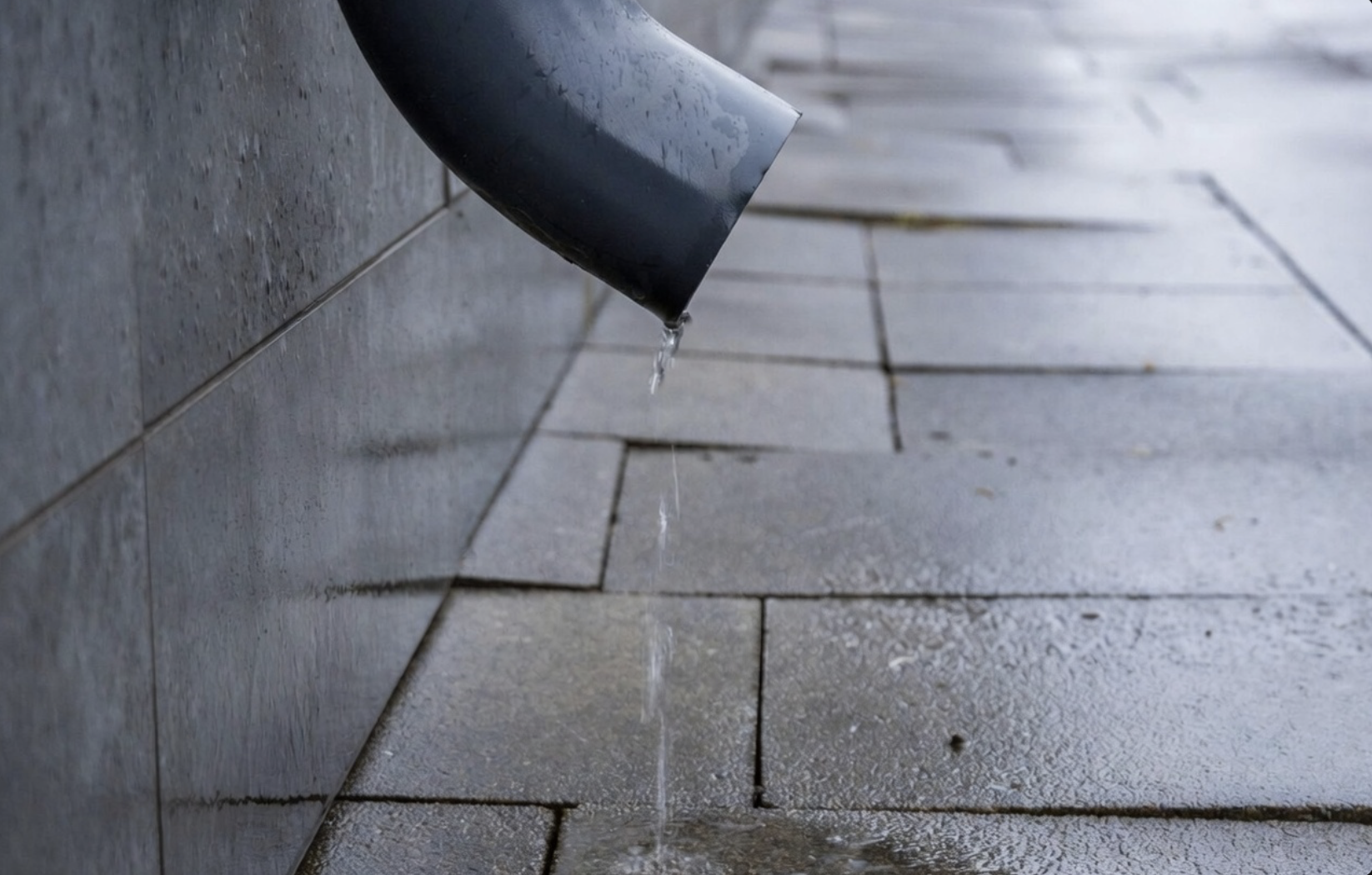
Ojai receives an average of 21–26 inches of rain annually, yet in urban areas, as much as 80% of rainfall can become wasted runoff. As thousands of gallons of fresh rainwater pour off our rooftops, sidewalks, and driveways, they carry pollutants away and leave our landscape parched. While this precious resource flows into the storm drains, unused. Meanwhile, residents and businesses turn on hoses to keep gardens alive, further straining municipal water supplies. This is not only inefficient but unsustainable, especially in a drought-prone valley like ours.
Fragile Supply
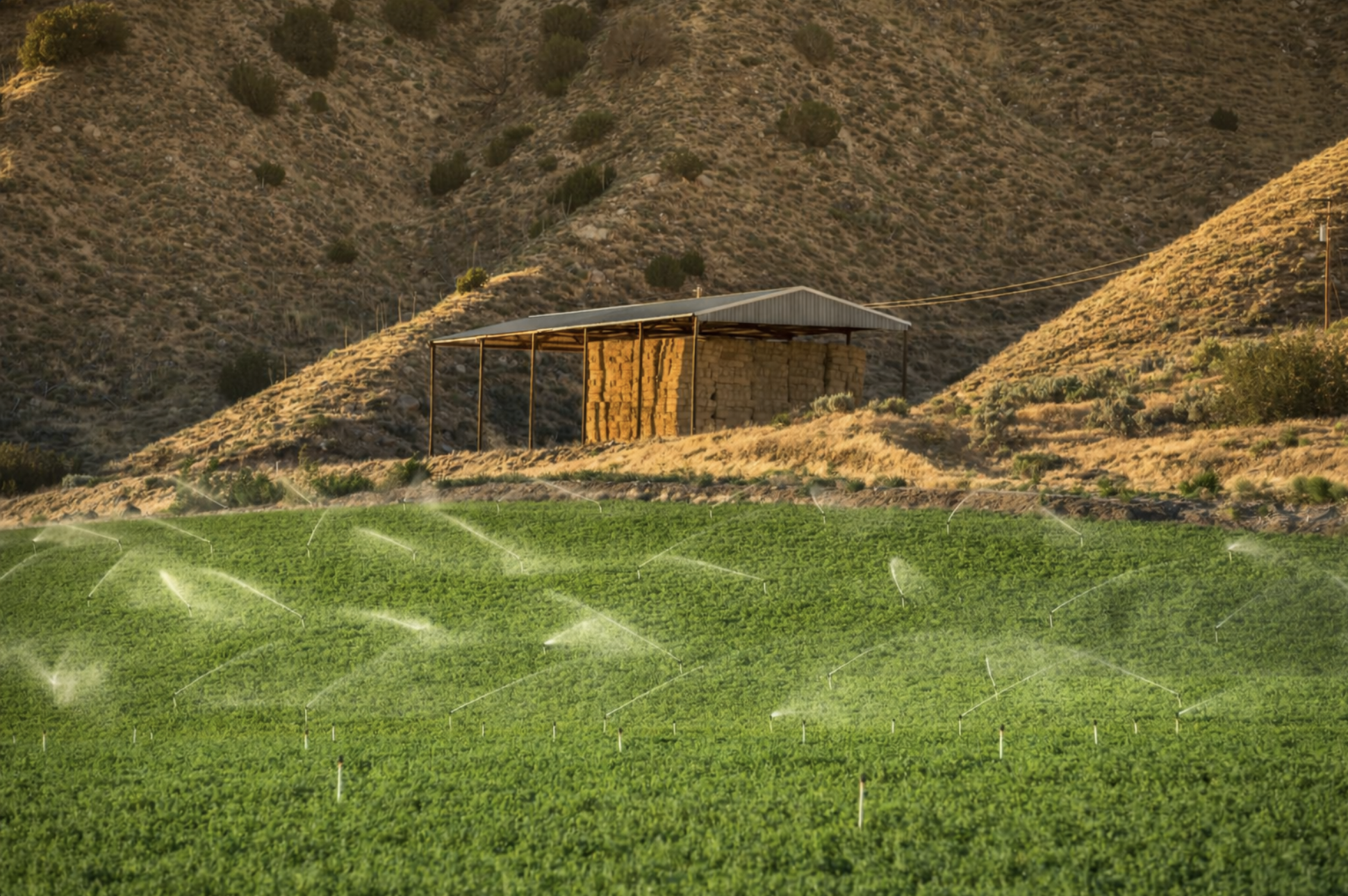
While many cities import water through canals, Ojai is different—we export our water to other cities like Ventura. Our survival depends on Lake Casitas and local groundwater basins, yet we live in one of the most drought-prone regions in California. Lake Casitas is historically vulnerable to dry cycles and is not exclusively ours. This reality demands long-term, community-driven solutions to protect Ojai’s water future.
The Bigger Picture
Water prices across the United States have been climbing steadily for decades, and the trend shows no signs of slowing down. Since 2000, the cost of water and sewer services has risen 207%, more than double the rate of overall inflation at 93% over the same period. In 2025 alone, household water and sewer bills hit a five-year high, rising 5.1% nationally — part of a 24% cumulative increase over just five years. The drivers behind these increases are structural and long-term: aging infrastructure, EPA compliance requirements, treatment plant upgrades, and mounting municipal budget pressures. The American Society of Civil Engineers gave U.S. water infrastructure a C- grade, estimating $625 billion in needed investment over the next 20 years, costs that will ultimately be passed directly to ratepayers.
California and the broader American West face an even steeper challenge. The region has been in drought conditions since 2020, a trend expected to last a decade, and communities are already feeling the financial impact. Closer to home, Ventura County is no exception; the Metropolitan Water District voted to raise rates 8.5% for both 2025 and 2026, with downstream purveyors like Calleguas Municipal Water District (which serves much of Ventura County) facing cumulative increases of up to 17%. The City of Ventura itself approved a 10.5% annual water rate adjustment for the next five fiscal years. With 40 out of 50 states having projected freshwater shortages within the coming years, water scarcity is no longer a distant concern — it's an economic reality hitting household budgets right now. For California homeowners especially, exploring water conservation strategies like rainwater harvesting isn't just environmentally responsible — it's becoming financially essential.