Impact Of Collecting Rain
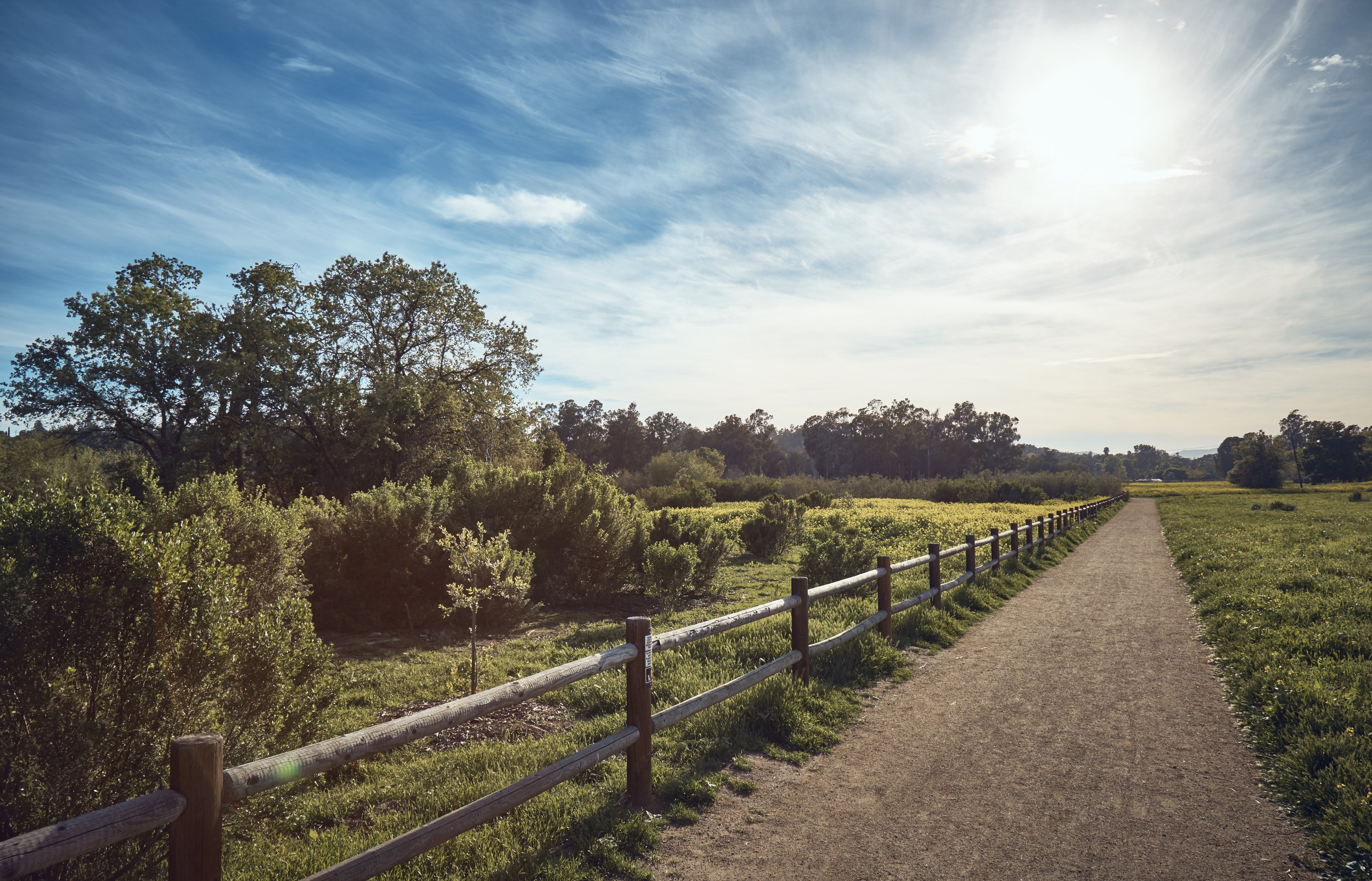
What can one rain barrel do?
-
Provides enough water for 10 medium houseplants for 3 to 4 months.
-
Enough water for a young fruit tree for eight weeks or an established fruit tree for four weeks.
-
Waters a 4x8 raised vegetable bed for 3 weeks in the peak of summer.
-
Provides enough water for 2 full car washes using a bucket-and-sponge method.
-
You can use rain barrel water for anything you would use your hose water for.
Municipal Water
In Ojai, municipal water is sourced 80% from the vulnerable Ojai Valley Groundwater Basin and 20% from Lake Casitas, both strained by drought cycles. By harvesting rainwater for non-potable use, we ease demand on these resources. Filling and using a single barrel just 10 times a year saves 550 gallons of tap water.
Runoff
When rain hits pavement, it picks up pesticides, fertilizers, oil, and trash, carrying them directly into the Ventura River and straight to the ocean. Rain barrels act as a first line of defense, catching that water before it becomes a pollutant. By reducing runoff, we directly protect our local watershed and keep the Ventura River ecosystem healthy.
Energy
Moving water is heavy lifting. In California, nearly 20% of our total electricity is used just to pump, treat, and move water across the state. When you use a rain barrel, you’re bypassing that massive energy grid. You’re using gravity instead of electricity to deliver water exactly where it falls, reducing the carbon footprint of your garden.
Money
Installing a rain barrel is an investment that pays for itself. For Ojai residents, you might have heard that Lake Casitas Water District is raising water rates by 11.5% in 2026. Every gallon you harvest is a hedge against rising costs. By using rainwater, you will lower your water bill.
Proven Success
-
Portland, Oregon
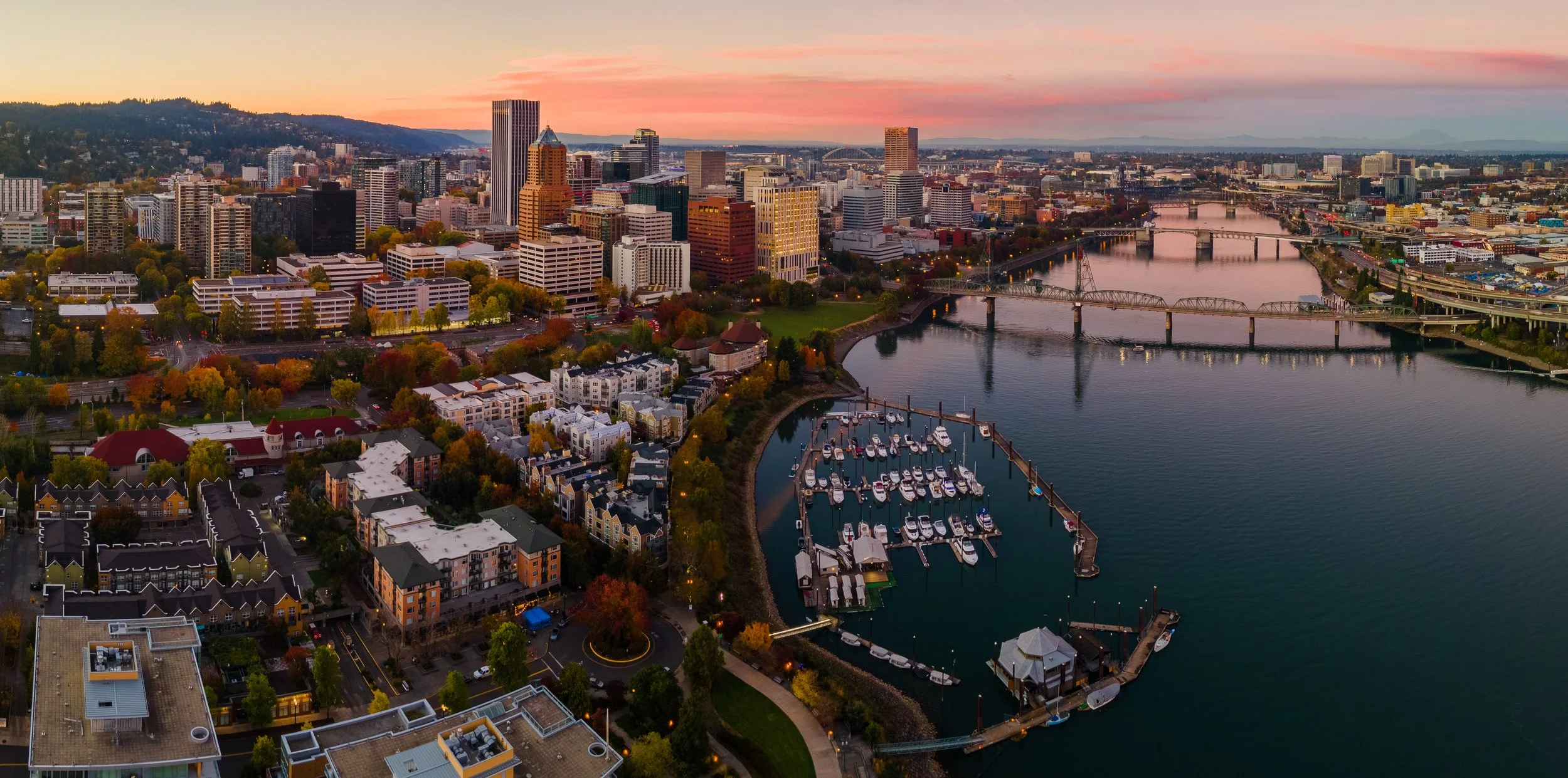
Portland’s Downspout Disconnection Program redirected over 56,000 downspouts away from city sewers and into rain barrels or gardens. This simple shift keeps 1.2 billion gallons of stormwater out of the system every year. By choosing community-led rain harvesting over massive underground pipe projects, the city saved tens of millions of dollars in infrastructure costs.
-

Seattle, Washington
The RainWise Program has turned thousands of residential yards into a massive defense against runoff. With over 1,600 rain gardens and cisterns installed, Seattle now captures runoff from 2.17 million square feet of rooftop area. Currently managing 260 million gallons of stormwater annually, the program proves that residential action is the fastest way to hit aggressive environmental goals.
-
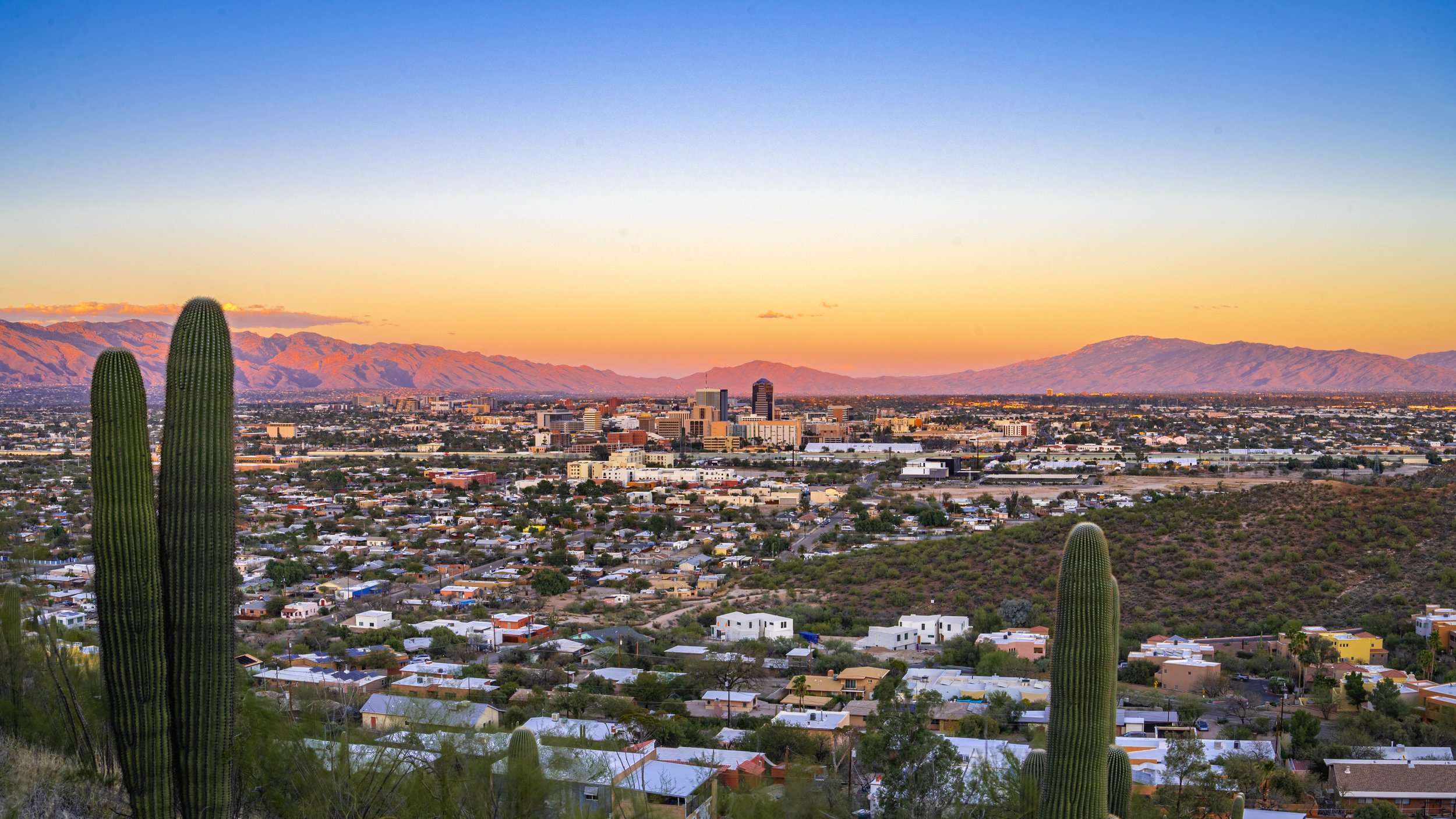
Tucson, Arizona
As a desert leader, Tucson has issued over $2 million in rebates for rain systems. Participants save an average of 748 gallons of tap water per month, helping the city reduce per capita water demand by 31% even as its population grew.